AKAA PARIS 2021
António Ole | Mário Macilau | Keyezua | Kwame Sousa
The Global South has always been affected by a violent history. In the past and in the present. Our contemporaneity, however, appropriates the human capacity for negotiation to circumvent this historical violence using various tools and modus operandis. Contemporary African-based art and its diaspora, which now resonate strongly especially in environments such as AKAA, have been relevant to the questioning, both frontal and negotiatory, of these hegemonic narratives.
Understanding the possibilities and limits of these intersections is what the work of these artists, which MOVART presents, configures as new airs of the temporal-spatial approach to the understanding of the south in relation to the global north.
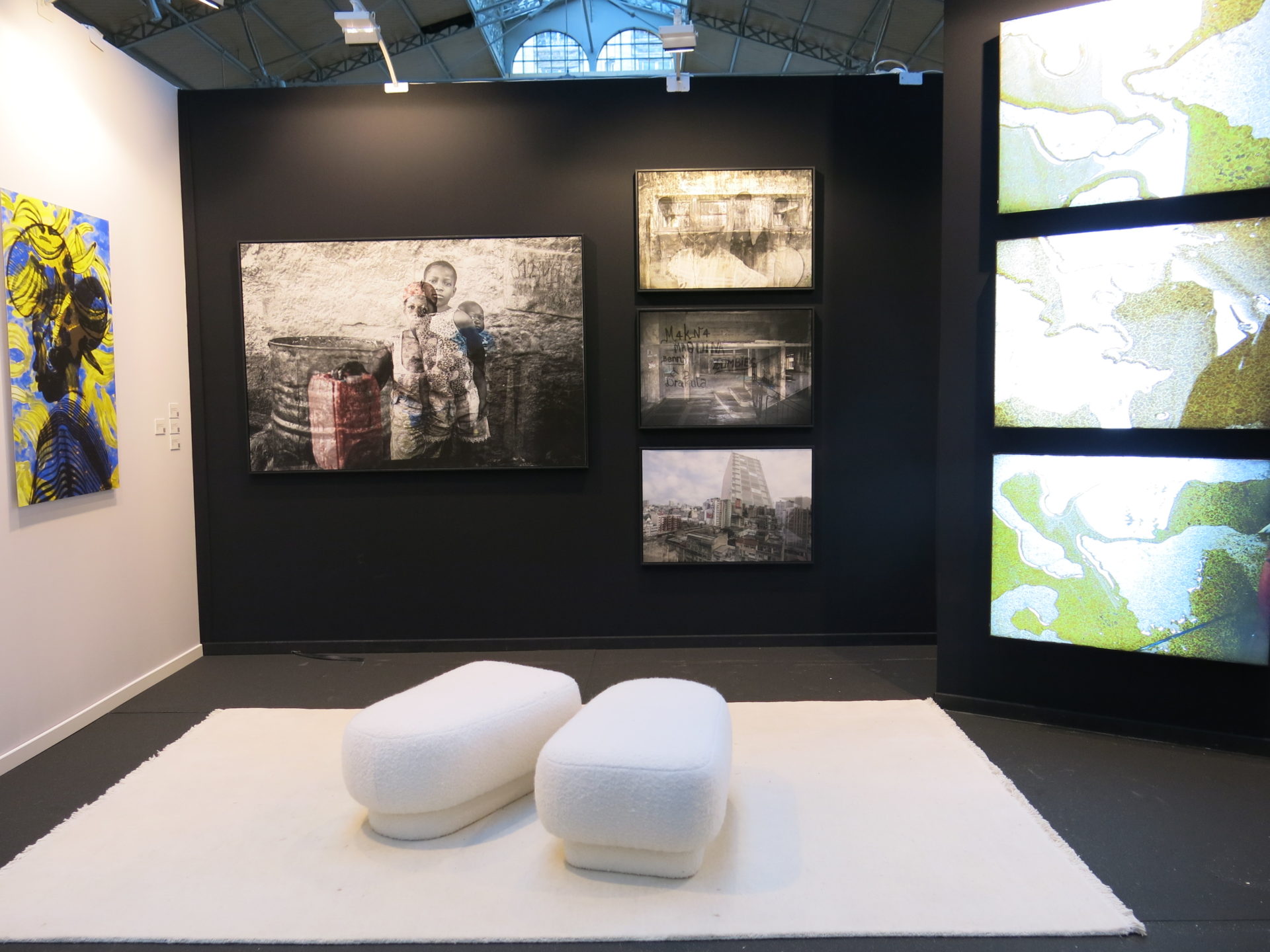
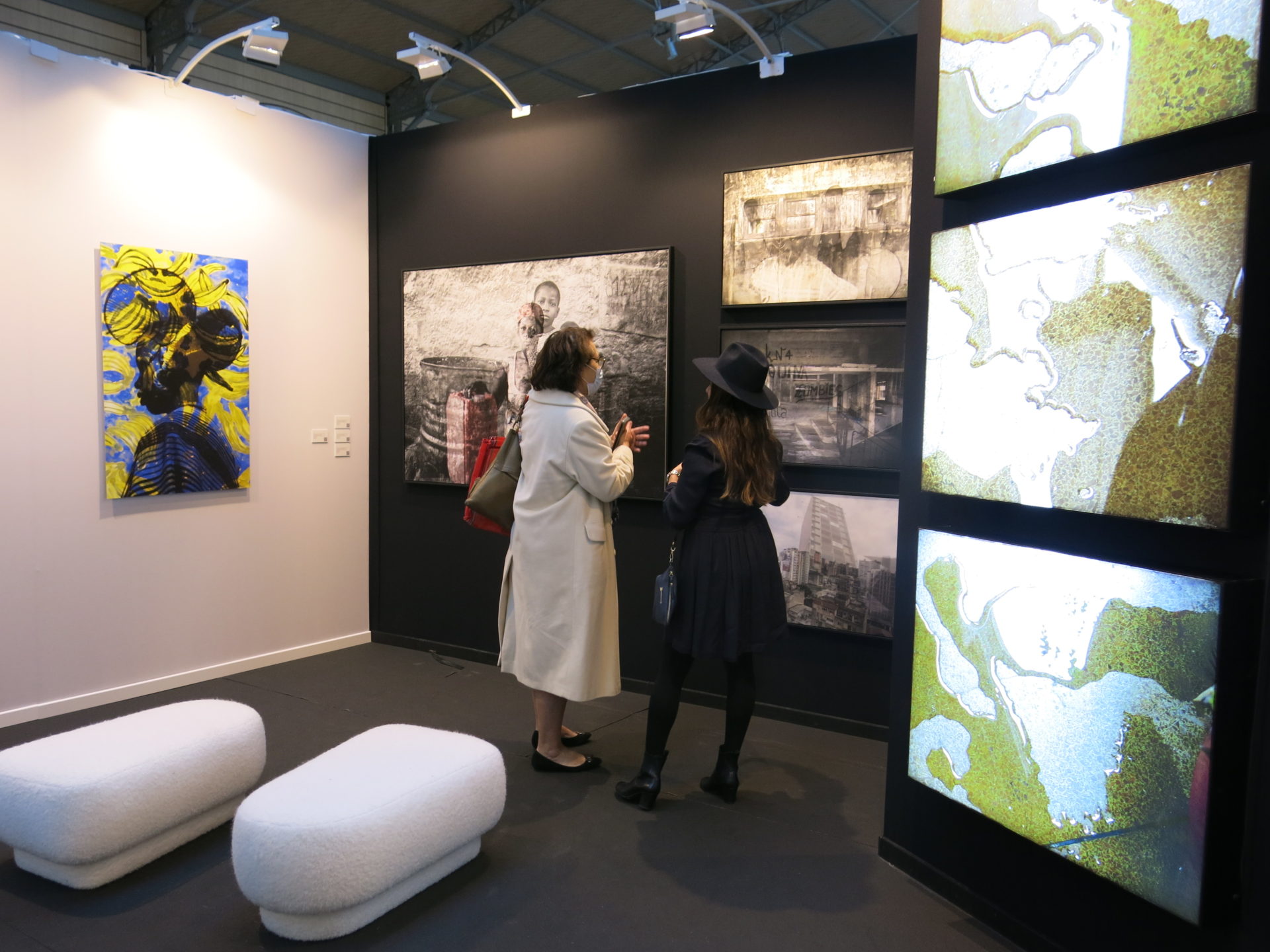
António Olé, for example, in his 50 years of active creation, summarizes different Angolan economic, social and political contexts, which contemplate colonial and post-colonial periodicities. His multiplicity of techniques, which converge painting, video, installation, collages, and others, establishes pressing dialogues on what the globe considers as fundamental questions through what it has experienced in its long centuries.
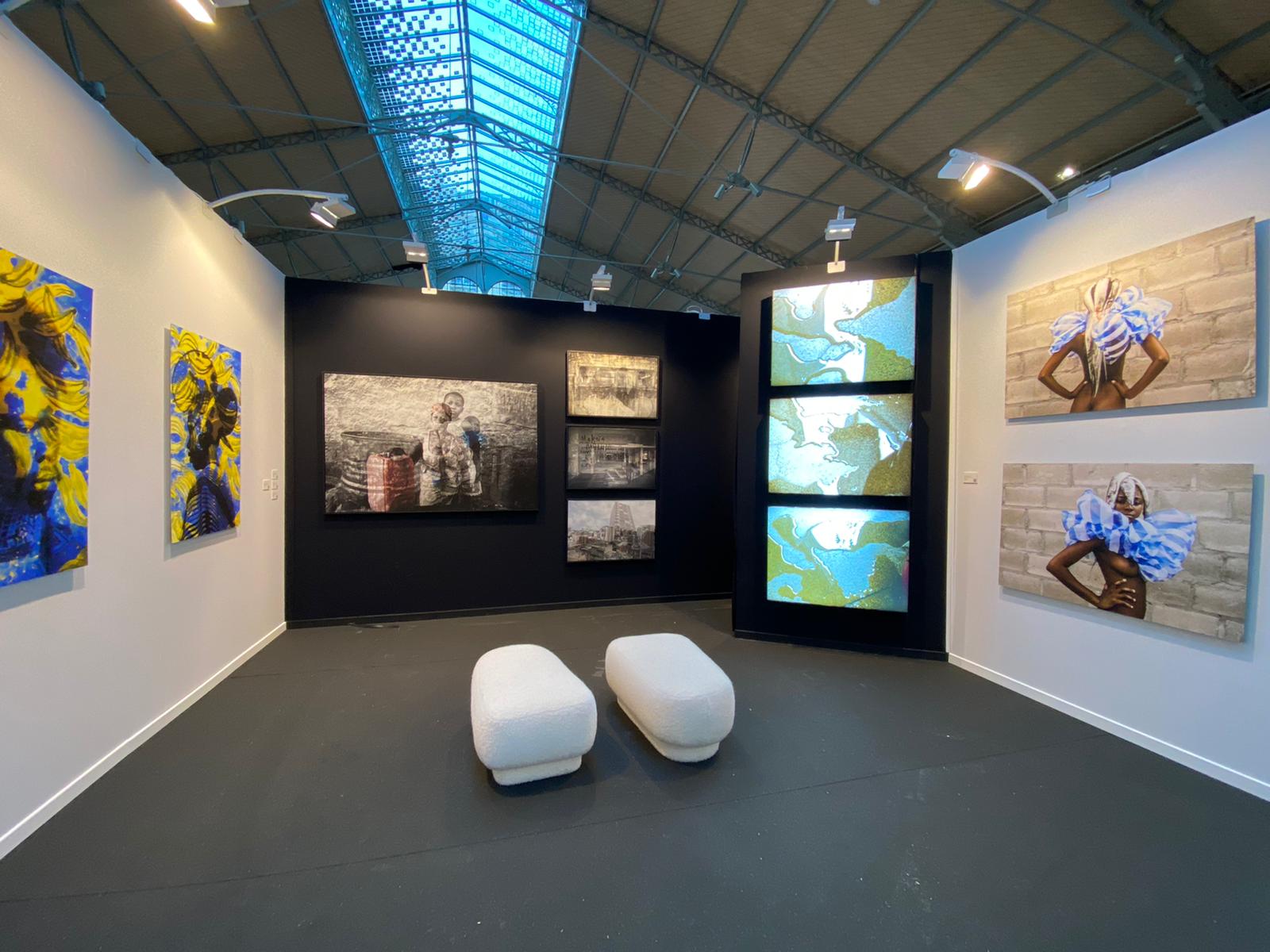
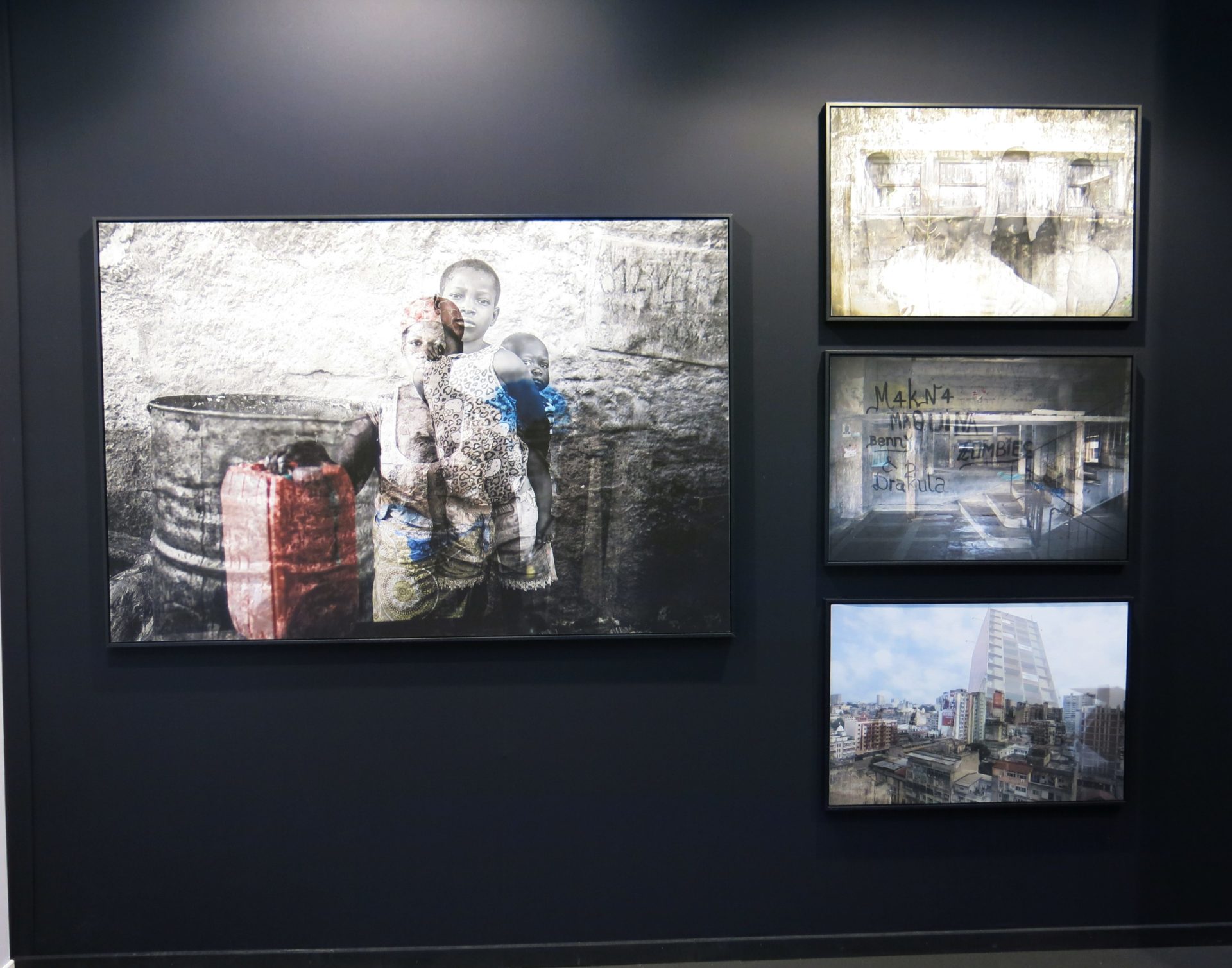
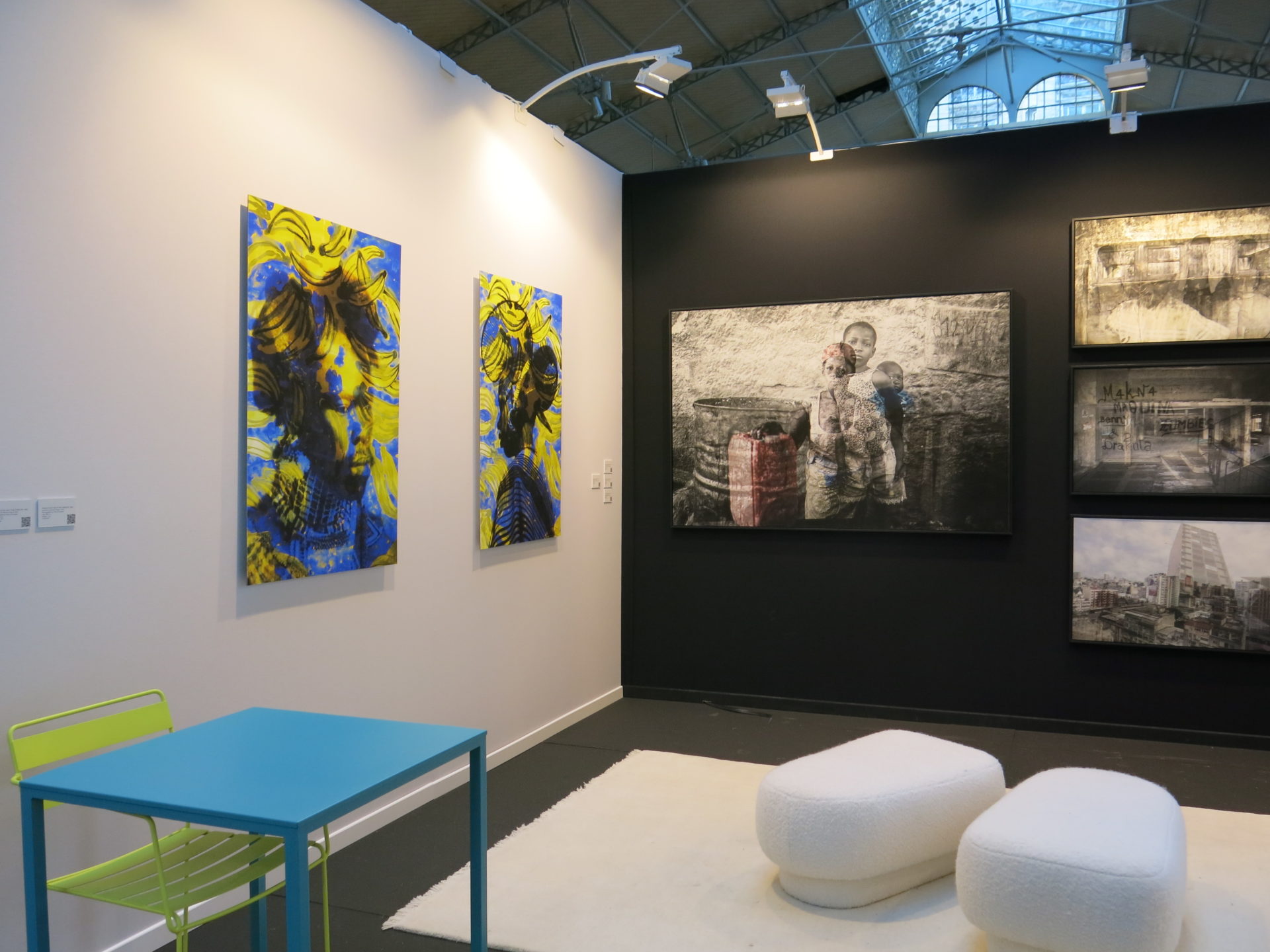
Mário Macilau, especially in his Circle of Memories series, talks directly to the conceptual proposal of this edition of AKAA: the resilience built around several new projects. Macilau’s resilience is above all determined by a choreographic resource of memory. This resource of memory, which is often treated lightly as a fragile paper in front of the fire, as seen in Growing in Darkness, which concentrates a work aimed at street children. Mind you, this is not exotic. It is violent, like the history.
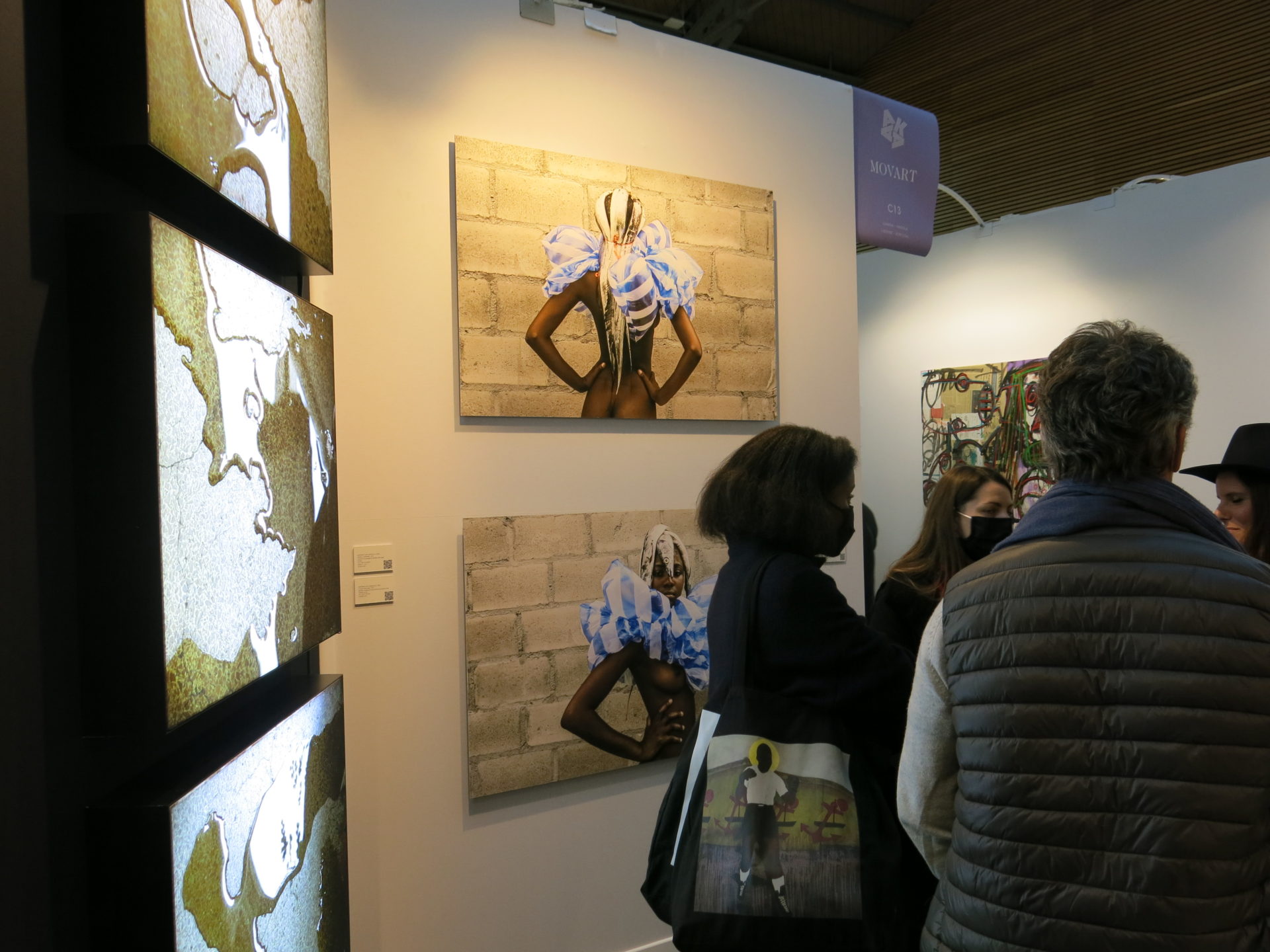
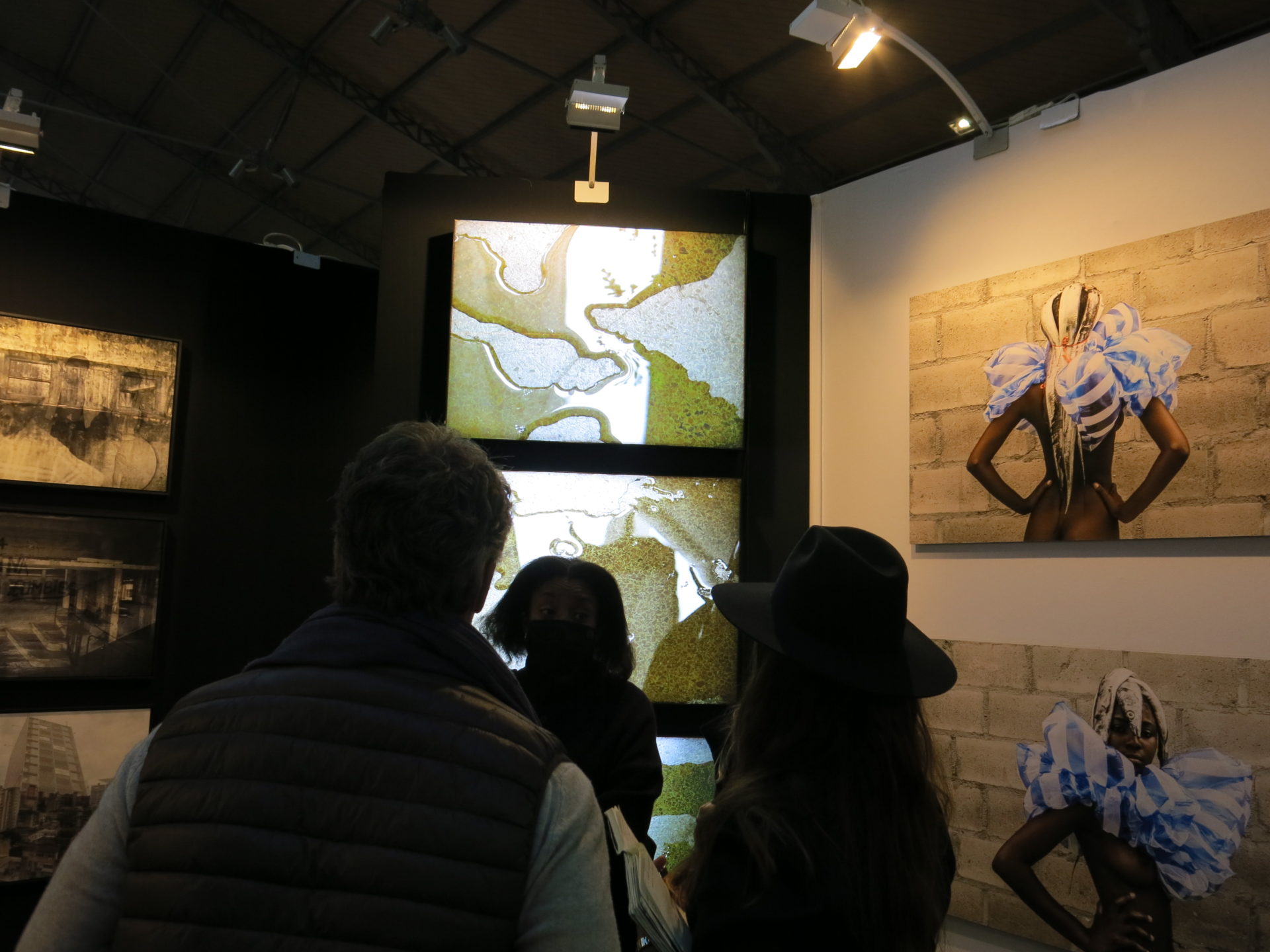
On the other hand, Lola Keyezua, a multidisciplinary artist whose practice materialized in contemporary configurations and dilemmas of racial and gender representativity, presents us with intense and varied languages that confront narratives that do not intend to “honor ourselves, to love our bodies,” as Bell Hooks writes. THE GREAT MAMAAAN, Fuba, Look at her, Royal Generation are examples of Keyezua’s works which symbolize this new power that honors motherhood, sexuality, fertility, and eroticism in the context of economic and social vulnerability.
Kwame Sousa is a truly multidisciplinary artist who explores a wide range of media, techniques and styles. Sousa deepens the debate by creating an informal school as a space to conceive and rebut aesthetic concepts. This informal space demarcates itself from the urban area and acts in the periphery as an academy that teaches, trains, and allows for exchange.
The converging point of these works is in the temporal attribution that each one articulates. If for Antonio Olé art has a planetary vision, Macilau draws on the past of a territory in order to produce it, while Keyezua calls humanity’s attention to the dilemma of color and gender, and Kwame Sousa presents himself with the debate on social structures in order to produce art.